Complete Coffee Table Safety Standards Guide
Understand weight limits, stability, child-safe materials, and smart maintenance to protect your family and investment.
VIEW BUYING HELPSafety First: A beautiful coffee table should never compromise on safety. This guide covers all essential safety standards – from weight capacity to child-safe designs and pet-friendly materials – so you can choose with confidence.
Why Safety Standards Matter for Your Coffee Table
When selecting a coffee table, aesthetics and price are important, but safety is non-negotiable. A poorly constructed table can tip over, collapse under weight, or contain harmful materials. Understanding safety standards ensures your living room remains a safe haven for family, guests, and pets. This guide breaks down every critical safety aspect, from weight capacity to material safety, so you can make an informed purchase.
Key Safety Standards You Must Check
⚖️ Weight Capacity
Know the maximum load your table can handle. Overloading leads to collapse and injury.
- Standard capacity: 100–200 lbs
- Heavy-duty models: 250+ lbs
- Check manufacturer specs
🛡️ Stability & Tip-Over
Wide bases and low centers of gravity prevent tipping. Essential for homes with children.
- Base width ≥ table height
- Non-slip feet recommended
- Wall anchors for tall tables
🧸 Child & Pet Safety
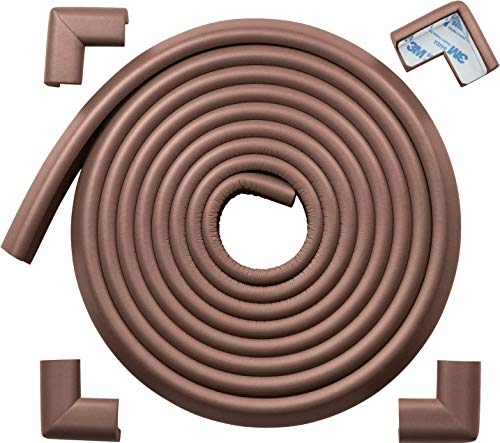
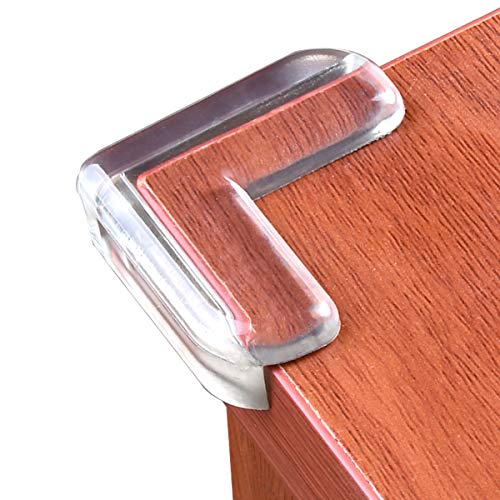
Rounded corners, non-toxic finishes, and sturdy construction protect little ones and furry friends.
- Rounded edges (ASTM F2057)
- Low-VOC finishes
- Scratch-resistant surfaces
🧪 Material Safety
Choose materials that are non-toxic, flame-retardant, and free from harmful chemicals.
- Solid wood vs. engineered wood
- Glass: tempered safety glass
- Metal: rust-resistant coating
🔩 Assembly & Hardware
Proper assembly prevents wobbling and structural failure. Use all provided hardware.
- Follow instructions carefully
- Check for loose screws
- Re-tighten every 6 months
🧼 Maintenance & Care
Regular cleaning and inspection extend lifespan and ensure continued safety.
- Clean spills immediately
- Use coasters and trivets
- Inspect joints and screws
Understanding Weight Capacity & Load Limits
Every coffee table comes with a specified weight capacity – the maximum load it can safely support. This includes not just decorative items but also the weight of people leaning or sitting on it. Most standard coffee tables support between 100 and 200 pounds, while heavy-duty models can handle 250 pounds or more. Always check the manufacturer's label and never exceed the limit. Overloading can cause the table to collapse, leading to injury and damage.
Stability & Tip-Over Prevention
Stability is crucial, especially in homes with children or pets. A stable coffee table has a wide base and a low center of gravity. As a rule of thumb, the base width should be at least as wide as the table's height. Look for tables with non-slip feet and consider using wall anchors for tall or narrow designs. The child-safe standards (ASTM F2057) provide additional guidelines for tip-over resistance.
Child-Safe & Pet-Friendly Features
For families, child-safe coffee tables are a must. Rounded corners reduce the risk of injury, while low-VOC finishes ensure air quality. Similarly, pet-friendly coffee tables feature scratch-resistant surfaces and sturdy legs that won't wobble under enthusiastic pets. Consider materials like solid wood, tempered glass, or powder-coated metal – all of which are durable and safe.
Material Safety: What to Look For
The material of your coffee table affects both safety and longevity. Solid wood is a safe, durable choice, while engineered wood may contain formaldehyde – ensure it meets CARB Phase 2 standards. Glass tables must use tempered safety glass, which shatters into small, less harmful pieces. Metal tables should have rust-resistant coatings. For a comprehensive breakdown, visit our materials guide.
Assembly and Hardware Integrity
Even the safest design can fail if assembled incorrectly. Always follow the provided assembly instructions and use all included hardware. Periodically check for loose screws or joints – a quick bi-annual inspection can prevent accidents. For more tips, see our delivery and assembly guide.
Maintenance for Long-Term Safety
Regular maintenance keeps your coffee table safe and beautiful. Clean spills immediately to prevent water damage, use coasters to avoid heat marks, and apply furniture polish as recommended. Inspect legs and joints every few months to ensure stability. Learn more in our care and repair section.
Ready to choose a safe coffee table? Browse our recommended picks below – all verified for safety standards. If you still have questions, visit our Buying Help page or check our common mistakes guide.