Mid-Century Coffee Table Guide
Discover the timeless appeal of mid-century modern design. From iconic tapered legs to warm wood finishes, learn how to choose the perfect mid-century coffee table for your living space.
The mid-century modern aesthetic has endured for decades, and for good reason. Characterized by clean lines, organic shapes, and a perfect balance between form and function, mid-century coffee tables are more than just furniture—they're design statements. Whether you're furnishing a modern apartment or adding a retro touch to a traditional home, these iconic pieces bring warmth and sophistication to any living room.
What Defines a Mid-Century Coffee Table?
The mid-century table is defined by several distinctive design elements that emerged during the mid-20th century design movement. Understanding these characteristics will help you identify authentic pieces and make informed purchasing decisions.
🪵 Iconic Wood Finishes
Rich walnut, teak, and oak were the materials of choice. These woods age beautifully and bring warmth to any space. Look for natural grain patterns and warm, honey-toned finishes.
📐 Tapered Legs
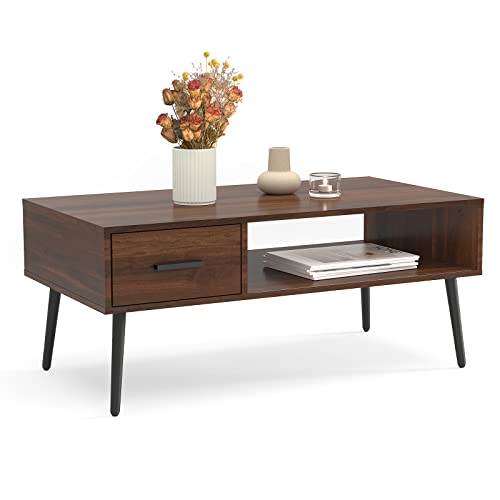
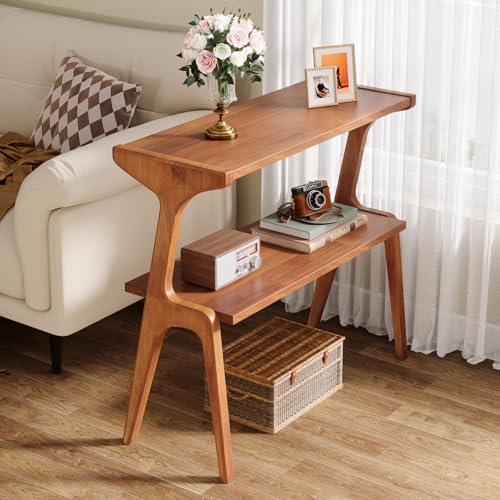
Slim, angled legs—often made of wood or metal—are a hallmark of mid-century design. They create a sense of lightness and elegance, making even larger tables feel airy.
🎨 Organic Shapes
While rectangular options exist, many mid-century tables feature kidney shapes, boomerang curves, or oval forms that soften the overall look and create visual interest.
💡 Minimalist Hardware
Hardware is minimal or integrated. Drawers and doors often feature subtle push-latches or simple metal pulls that complement the table's clean aesthetic.
Exploring Mid-Century Table Styles
The mid-century movement was diverse, and different designers brought unique perspectives to their creations. When exploring table styles, you'll encounter several iconic approaches to mid-century design.
Popular Mid-Century Table Styles
- 🔹 Scandinavian Inspired Light woods, gentle curves, functional design
- 🔹 Danish Modern Teak construction, organic shapes, sculptural legs
- 🔹 American Mid-Century Walnut finishes, clean lines, practical storage features
- 🔹 Italian Modern Bold forms, mixed materials, artistic expression
- 🔹 Atomic Era Space-age influences, starburst patterns, vibrant accents
Materials and Construction: Quality Matters
When investing in a mid-century coffee table, understanding material quality is essential for making a wise purchase. Authentic mid-century pieces and quality reproductions typically feature solid hardwoods like wood table construction with attention to joinery and finish.
🪵 Solid Wood vs. Veneer
High-end mid-century tables often use solid wood frames with matched veneers for tabletops. Quality veneer isn't a compromise—it allows for beautiful grain patterns and stability.
🛠️ Joinery and Construction
Look for dovetail joints, mortise and tenon connections, and corner blocks that indicate quality craftsmanship. These details ensure longevity and durability.
🎨 Finish Quality
Danish oil, lacquer, and shellac are common mid-century finishes. A high-quality finish protects the wood while enhancing its natural beauty and grain.
⚖️ Weight and Feel
A well-constructed table feels substantial. Check for stability and even weight distribution when evaluating potential purchases.
Finding the Right Size for Your Space
Mid-century tables come in various sizes to accommodate different living spaces. Before making a purchase, consider your size & fit guide to ensure your chosen table complements rather than overwhelms your room.
Standard Mid-Century Table Sizes
- Small (Apartment) 36–42 inches long
- Medium (Standard) 44–52 inches long
- Large (Spacious) 54–60 inches long
- Height 16–18 inches (standard sofa height)
📏 Pro Sizing Tip
For the ideal placement guide, your table should be approximately two-thirds the length of your sofa and at least 18 inches from the seating to allow comfortable leg room and reach.
Styling Your Mid-Century Coffee Table
Once you've selected the perfect table, styling it appropriately enhances its beauty and integrates it into your living space. Explore these decor ideas to complement your mid-century piece.
📚 Coffee Table Books
Choose art, architecture, or fashion books with beautiful covers. Stack 2-3 for visual interest.
🌿 Plant Styling
Add a small plant styling element like a snake plant or Monstera in a mid-century planter.
🕯️ Tray and Objects
Use a tray decor to corral remotes, coasters, or small decorative objects.
💡 Lighting Accents
Add a small lamp or candles for ambient lighting that highlights the table's design.
Caring for Your Mid-Century Table
Proper care ensures your mid-century table remains beautiful for generations. Following best practices for care & repair will protect your investment and maintain its value.
🧼 Cleaning Routine
Dust regularly with a soft cloth. Use a slightly damp cloth for stubborn dirt, then dry immediately. Avoid harsh chemicals that can damage the finish.
🛡️ Surface Protection
Use coasters for beverages and trivets for hot dishes. Surface protector pads are recommended.
🔧 Repair and Restoration
Minor scratches can be addressed with wood filler and touch-up pens. For fix scratches, consider professional help.
Where and How to Buy
When you're ready to purchase, you have several options ranging from vintage stores to modern reproductions. Our buying help guide can assist you in navigating the market.
Vintage vs. Reproduction
- 🪑 Authentic Vintage $1,200–$3,500+
- 🔄 High-Quality Reproduction $600–$1,800
- 🛠️ DIY Restoration Project $200–$600 (plus effort)
*Prices are approximate and vary based on condition, designer, and market demand.
💡 Expert Tip for Buyers
When evaluating reproductions, look for quality markers like solid wood construction, dovetail joints, and proper weight. Check for authenticity labels from licensed manufacturers to ensure you're getting a genuine reproduction rather than a poor copy.