Complete Rug Buying Guide
Find the perfect area rug for your living room, bedroom, or dining space. Sizing, materials, placement, and styling tips.
Why This Guide Matters
A well-chosen rug defines your space, adds warmth, and ties your furniture together. But with so many sizes, materials, and styles, it’s easy to feel overwhelmed. This guide walks you through every step—from measuring your room to selecting the perfect pile height—so you can shop with confidence.
1. Rug Size Guide – Finding the Right Fit
Getting the size right is the most important decision. A rug that’s too small can make the room feel disjointed, while one that’s too large can overwhelm the space. Here are the standard sizing rules for each room.
Living Room
For a living room, the rug should anchor the seating area. Ideally, all front legs of your sofa and chairs should rest on the rug. For larger spaces, choose a rug that extends at least 12–18 inches beyond the furniture.
8'x10' – 9'x12'Dining Room
The rug should be large enough to pull out chairs without catching the legs. Add at least 24–30 inches to each side of the table. This ensures chairs remain on the rug even when occupied.
8'x10' – 9'x12'Bedroom
Place a bedroom rug under the lower two-thirds of the bed. For a queen bed, a 6'x9' or 8'x10' works well. For a king, opt for 9'x12'. You can also use two narrow runners on each side.
6'x9' – 9'x12'Entryway & Hallway
Choose a runner or rectangular rug that leaves at least 4–6 inches of floor visible on each side. For a hallway, a runner should be about 2–3 feet shorter than the hallway length.
2'x8' – 3'x12'Pro Tip: If you’re unsure, use painter’s tape to outline the rug size on your floor. This gives you a visual sense of how it will look before you buy. Learn more about rug placement strategies and how to position a rug under a coffee table.
2. Rug Materials – Durability, Softness & Maintenance
The material determines how your rug feels, how long it lasts, and how easy it is to clean. Below is a breakdown of the most common rug materials.
Wool
Wool is the gold standard for durability and softness. It’s naturally stain-resistant, insulating, and resilient. Best for high-traffic areas like living rooms and hallways.
$800 – $2,500+Polyester / Polypropylene
These synthetic fibers are budget-friendly, fade-resistant, and easy to clean. They’re great for kids’ rooms, dining areas, or outdoor spaces. However, they may flatten over time.
$200 – $600Cotton
Soft, lightweight, and machine-washable. Cotton rugs work well in kitchens, bathrooms, or as layered accent rugs. They are less durable and best for low-traffic spaces.
$100 – $300Silk & Viscose
Luxurious with a beautiful sheen. Viscose (artificial silk) is more affordable but less durable. Best for low-traffic areas like bedrooms or formal dining rooms.
$400 – $1,200Jute & Sisal (Natural Fiber)
Eco-friendly and textured. These add a rustic, organic feel to any room. They are durable but not soft underfoot. Best for rustic or farmhouse interiors.
$150 – $500Leather & Hide
Unique, durable, and easy to clean. Leather rugs develop a patina over time and work well in modern or industrial spaces. They tend to be on the pricier side.
$600 – $2,000Choosing the right material: For homes with pets or children, opt for wool or polypropylene—they’re stain-resistant and easy to vacuum. For a luxurious feel in a master bedroom, silk or viscose adds elegance. Natural fibers like jute are perfect for layering and add texture to minimalist or cozy interiors.
3. Rug Placement & Styling Tips
Where and how you place a rug can transform the entire look of a room. Here are actionable tips to style your rug like an interior designer.
- Living Room: The rug should sit under the front legs of your sofa and chairs. For a larger rug, place all furniture legs on the rug. Leave at least 18 inches of exposed floor around the edges of the room.
- Dining Room: Ensure the rug extends 24–30 inches beyond the table’s edge. This allows chairs to slide out smoothly without catching the rug.
- Bedroom: Place the rug horizontally under the lower two-thirds of the bed. Add a second runner on each side for a hotel-style look.
- Layering: Lay a smaller patterned rug over a larger natural-fiber rug (like jute) for added texture and visual interest. This is a popular trend in styling and decor.
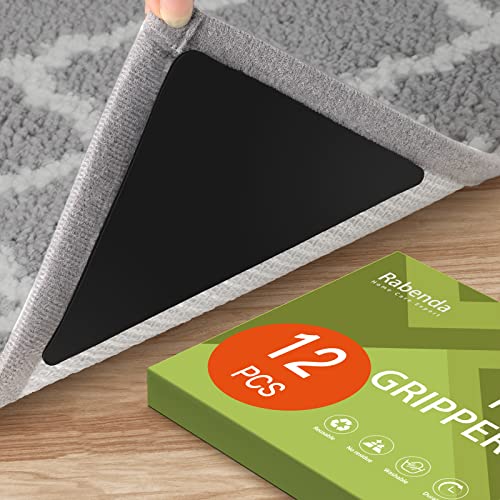
- Rug Pads: Always use a rug pad. It prevents slipping, extends the rug’s life, and adds cushioning. This is a small investment that makes a big difference.
For more ideas on styling your coffee table and rug together, check out our guide on decor essentials and how to style a coffee table with your new rug.
4. Rug Shapes & Pattern Selection
While rectangular rugs are the most common, don’t be afraid to explore other shapes. A round rug can soften a square room and work beautifully under a round coffee table. An oval rug adds a classic touch, while a runner is perfect for hallways.
Patterns: For a bold statement, choose geometric or abstract patterns. For a timeless look, Persian, Oriental, or Moroccan designs never go out of style. If your furniture is already patterned, opt for a solid or subtly textured rug to balance the room.
To complement your coffee table’s style, consider the rug’s color and pattern. A modern coffee table pairs well with a minimalist flat-weave rug, while a rustic table shines with a wool or jute rug in earthy tones.
5. Rug Care & Longevity
A quality rug is an investment. Proper care ensures it stays beautiful for decades.
- Vacuum regularly: Vacuum both sides of the rug every week to prevent dust and dirt from grinding into the fibers. Use a suction-only vacuum for delicate rugs.
- Rotate frequently: Rotate your rug 180 degrees every 6–12 months to ensure even wear, especially in high-traffic areas.
- Clean spills immediately: Blot spills with a clean cloth—never rub. Use a mild detergent mixed with water for most stains. For wool, consider a professional cleaning.
- Professional cleaning: Have your rugs deep-cleaned every 2–3 years, depending on foot traffic.
For more care tips for other surfaces, you can also explore our guides on cleaning wood surfaces and cleaning glass tables.
6. Rug Styles – Match Your Interior Aesthetic
Your rug should complement your interior style. Here’s a quick guide:
Modern & Minimalist
Flat-weave, low-pile, or geometric patterns in neutral or monochrome tones. Think gray, beige, or black-and-white.
Bohemian / Eclectic
Vintage-inspired, colorful, or tribal patterns. Layered rugs with fringe details work beautifully.
Farmhouse / Rustic
Natural fibers like jute or sisal, or wool rugs in warm, earthy tones. Braided rugs also add a cozy feel.
Traditional / Classic
Oriental, Persian, or Aubusson patterns with rich reds, blues, and golds. These are timeless and add formality.
Scandinavian
Light, airy, and often in pale tones with subtle patterns. Sheepskin or flat-weave rugs are popular choices.
Industrial
Low-pile, often in gray, black, or charcoal. Materials like wool or synthetic blends with a utilitarian feel.
Not sure which style fits your home? Visit our table styles page to see how coffee tables and rugs work together in different design aesthetics.
7. FAQ – Rug Buying Questions Answered
What size rug should I buy for a 3-seater sofa?
A 5'x8' or 6'x9' rug is typically sufficient for a standard 3-seater sofa, but this depends on room size. Always ensure the front legs rest on the rug.
Can I put a rug on carpet?
Yes! Layering a rug over carpet adds texture and defines a seating area. Use a non-slip rug pad to keep it in place.
What’s the best rug for a home with pets?
Wool and polypropylene are excellent choices. They are stain-resistant and durable. Avoid silk or viscose—they stain and wear easily.
How do I clean a wool rug?
Vacuum regularly and spot-clean with a wool-safe detergent. For deep cleaning, always opt for professional cleaning to avoid shrinkage.