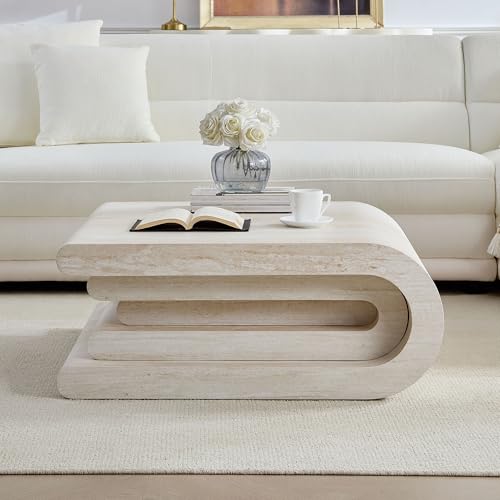
Layered Style Coffee Table Decor
Create a living room centerpiece that feels curated, inviting, and effortlessly stylish. Learn the art of layering — height, texture, and personality.
START LAYERINGWhat is layered style? It’s the art of combining objects of varying heights, textures, and purposes to create depth and visual interest. A well-layered coffee table doesn’t just hold items — it tells a story and invites conversation.
Why layered style transforms your space
A coffee table is often the focal point of a living room. Layering turns it from a simple surface into a curated display that reflects your personality. It adds warmth, breaks the monotony of flat surfaces, and makes your space feel lived-in — not staged. Whether you prefer minimalist or cozy aesthetics, layering gives you the flexibility to evolve your decor with the seasons or your mood.
Core principles of layered styling
📐 Height & dimension
Combine low, medium, and tall objects. A stack of books, a vase, and a small sculpture create a natural pyramid that draws the eye.
🧶 Texture mixing
Blend materials: wood, ceramic, glass, metal, fabric. Texture adds richness and prevents a flat, monotonous look.
🎨 Color harmony
Stick to a cohesive palette — neutrals with one accent color, or tonal variations. Too many colors can feel chaotic.
📖 Personal touch
Include items that tell your story: travel finds, family heirlooms, or your favorite coffee table books. Authenticity makes it inviting.
Step-by-step: how to layer your coffee table
- 1 Start with a tray or large base — a tray anchors the arrangement and defines the "zone". Choose wood, marble, or woven materials.
- 2 Add height with a vase or candlestick — place it slightly off-center. This creates visual tension and draws the eye upward.
- 3 Layer a stack of books — 2–3 coffee table books in complementary colors. Use them as a pedestal for a small object.
- 4 Include a natural element — a small potted plant, dried branches, or a bowl of stones. Brings life and organic texture.
- 5 Finish with a personal accent — a sculpture, a framed photo, or a unique find. This is the "surprise" that makes it yours.
Decor essentials for layered style
To master layered style, you need a curated selection of decor pieces. Start with a quality decorative tray — it’s the foundation. Then add coffee table books that reflect your interests, a vase for height, and a candle or small sculpture for warmth. Don't forget to consider the rug underneath — a textured rug can anchor the entire seating area and complement the layers on your table.
Styling rules & common pitfalls
- Rule of three: Group items in odd numbers — they’re more visually appealing.
- Leave empty space: Don't overcrowd. Negative space lets each piece breathe.
- Vary scale: Mix large, medium, and small items. Avoid everything being the same size.
- Mistake to avoid: Placing everything in a straight line — stagger items for a more organic feel.
- Mistake to avoid: Ignoring function — leave room for a drink or remote. Style should coexist with usability.
For more in-depth guidance, explore our complete styling rules and how-to style guides.
Seasonal layered style
One of the joys of layered decor is its adaptability. Swap out a few pieces each season to keep your coffee table feeling fresh. In spring, add pastel-colored ceramics and fresh flowers. Summer calls for light, airy textures and shells. For fall, incorporate warm earth tones, dried leaves, and amber glass. Winter is perfect for velvet textures, candles, and metallic accents. Visit our seasonal decor section for more inspiration.
Ready to find the perfect coffee table for your layered style?
Explore our curated recommendations below. Each piece is chosen for its versatility and ability to shine in layered arrangements.
Shop layered-style coffee tables →💡 Buying help: When choosing a coffee table for layered styling, look for a surface that's large enough to accommodate multiple objects (at least 42–48 inches in length). Consider tables with storage if you want to keep extra items out of sight, or lift-top designs for added functionality. For smaller spaces, a round table can soften the look and make layering feel more intimate.