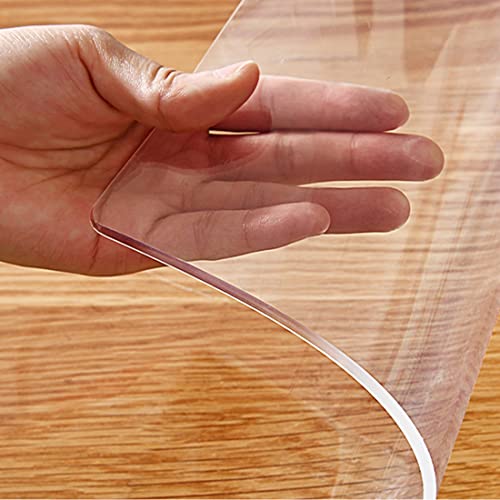
Protect Your Tabletop: Ultimate Care Guide
Preserve the beauty of your coffee table with expert advice on preventing scratches, stains, and water damage. Keep it looking brand new for years.
Why Tabletop Protection Matters
Your coffee table is the centerpiece of your living room—it holds your morning coffee, evening wine, books, and decor. Over time, everyday use can take a toll. Scratches, water rings, and stains can dull the finish and diminish its beauty. But with the right protection, you can keep your tabletop pristine and extend its lifespan significantly.
This guide covers everything you need to know about protecting your tabletop, from choosing the right surface protector and sealant to using coasters and fixing minor damage. Whether you have a solid wood, glass, marble, or metal table, these tips will help you maintain its appearance and value.
Common Threats to Your Tabletop
🔴 Scratches & Scuffs
From sliding books, remote controls, and pet claws. Even dust particles can cause micro-scratches over time.
🔵 Water Rings & Stains
Cold glasses, hot mugs, and spills can leave permanent marks, especially on wood and marble surfaces.
🟠 Heat Damage
Placing hot dishes directly on the table can cause discoloration, cracking, or blistering of the finish.
🟣 UV Fading
Prolonged sunlight exposure can fade wood, fabric, and certain finishes, making your table look uneven.
Understanding these risks is the first step toward effective protection. The good news is that all of these can be prevented or mitigated with the right habits and products.
Best Practices to Protect Your Tabletop
1. Always Use Coasters & Trivets
This is the simplest and most effective habit. Use coasters for all drinks—hot or cold. Trivets or heat-resistant mats are essential for hot dishes and serving bowls. Choose coasters with felt or cork bottoms to avoid scratching when sliding them. Explore our guide on why coasters matter to understand the science behind it.
2. Apply a Protective Sealant
Sealants create a barrier between the table surface and external elements. For wood tables, a quality polyurethane, varnish, or wax polish adds a durable layer. For marble and stone, a penetrating sealer prevents staining. Check our sealant guide to choose the right product for your material. Regular reapplication (every 6–12 months) keeps the protection strong.
3. Use Table Runners & Placemats
For dining or work areas, table runners and placemats not only add style but also protect the surface from spills, heat, and scratches. They are easy to clean and replace.
4. Clean Gently & Regularly
Dust and dirt act like abrasives. Wipe your table with a soft, microfiber cloth regularly. Use a cleaner formulated for your table's material. Avoid harsh chemicals or abrasive sponges. For specific material care, see our guides on cleaning wood, glass, marble, and metal surfaces.
5. Shield from Sunlight
Position your table away from direct sunlight, or use curtains and blinds to filter UV rays. If your table already shows signs of fading, consider using a UV-protective spray or film.
6. Use Felt Pads Under Decorative Items
Vases, sculptures, and heavy books can scratch the surface if moved. Attach felt pads to the bottom of these items to prevent scratches.
Protection by Material
Different materials require different care strategies. Here's a quick breakdown:
- Solid Wood: Use a high-quality wax or oil-based polish. Avoid water-based products that can raise the grain. Clean with a damp (not wet) cloth.
- Glass: Use a glass cleaner and a microfiber cloth. Avoid abrasive pads. Tempered glass is durable but can still chip or scratch.
- Marble & Stone: Use a pH-neutral cleaner. Seal annually. Wipe spills immediately to prevent etching.
- Metal: Wipe with a damp cloth and dry thoroughly. Use a metal polish for shine. Avoid acidic cleaners.
- Engineered Wood: Use a damp cloth and mild soap. Avoid excessive moisture which can cause swelling.
For more detailed material guidance, explore our wood table, glass table, and marble table care pages.
Fixing Minor Damage
Even with the best care, accidents happen. Here are quick fixes for common issues:
- Scratches: Use a scratch-removal marker or a paste of baking soda and water. For deeper scratches, a furniture touch-up kit works well. Learn more in our fix scratches guide.
- Water Rings: Apply a mixture of olive oil and vinegar, or use a specialized wood ring remover. For severe rings, you may need to sand and refinish.
- Heat Marks: Sometimes a gentle buffing with a soft cloth and a little bit of petroleum jelly can help. Otherwise, a professional refinish may be needed.
- Stains: For most stains, a gentle cleaner and soft cloth will work. For stubborn stains, consult a professional.
If the damage is extensive, it might be time to consider a refinishing project to restore your table to its former glory.
Long-Term Care & Maintenance
Protecting your tabletop is an ongoing process. Here's how to make it a habit:
- Daily: Wipe spills immediately. Use coasters and trivets.
- Weekly: Dust with a microfiber cloth. Clean according to material.
- Monthly: Check for any new scratches or stains. Apply polish or wax if needed.
- Annually: Reapply sealant or protective coating. Rotate or move decorative items to prevent uneven fading.
Regular care not only keeps your table beautiful but also maintains its value. A well-maintained coffee table can last decades, making it a sustainable choice for your home.