How to Fix Wobbly Coffee Table Legs
A complete DIY guide to diagnose and repair loose, wobbly, or unstable coffee table legs. Save money and extend the life of your favorite furniture.
JUMP TO REPAIR METHODS ↓Wobbly coffee table legs are more than just an annoyance — they can lead to spills, scratches, and even structural damage over time. Whether your table is made of solid wood, metal, or glass, the repair process is often simpler than you think. In this comprehensive guide, we'll walk you through every step, from diagnosis to final tightening, so you can enjoy a sturdy, safe coffee table again.
Quick Diagnosis: Why Is Your Table Wobbly?
Before you start repairing, identify the root cause. Most wobbly legs fall into one of these categories:
- Loose screws or bolts — The most common issue
- Worn-out glue joints — Common in older wood tables
- Uneven floor — Not a leg problem, but fixable
- Bent or damaged hardware — Metal brackets or inserts
- Stripped screw holes — Wood fibers have worn away
- Manufacturing defect — Uneven leg length
Pro Tip: Place your table on a known flat surface (like a tile floor) to eliminate the floor as the culprit. If it still wobbles, the issue is with the legs or their attachments.
Step-by-Step Repair Methods
🔧 Method 1: Tighten Loose Screws & Bolts
The simplest fix — often all you need is a screwdriver or Allen wrench.
- Inspect each leg — Check for visible screws or bolts at the attachment point.
- Test for movement — Gently wiggle each leg to find the loose one.
- Tighten firmly — Use the appropriate tool to tighten, but avoid over-tightening (which can strip threads).
- Check stability — Test the table on a flat surface after each leg is tightened.
⚠️ Important: If the screw keeps turning without tightening, the hole may be stripped — proceed to Method 2.
🪚 Method 2: Fix Stripped Screw Holes (Wood Tables)
Common in particleboard or softwood tables. Here are three easy fixes:
- Toothpick trick: Insert 2–3 toothpicks coated with wood glue into the hole. Let dry (2–4 hours), then break off excess and re-drill a pilot hole before screwing.
- Dowels: Drill out the stripped hole to match a wooden dowel size. Glue the dowel in place, let dry, cut flush, then pre-drill and screw.
- Repair inserts: Use metal or plastic screw hole repair inserts (available at hardware stores) for a permanent fix.
💡 Pro Tip: For heavier tables, repair inserts are the most durable solution. They distribute weight better than toothpicks.
🔩 Method 3: Replace Bent or Broken Hardware
If the bracket, plate, or leg itself is bent, replacement is the best option.
- Remove the leg — Unscrew the damaged bracket or leg plate.
- Take it to a hardware store — Match the size and type of the bracket or plate.
- Install the new hardware — Attach securely using the original screw holes (or use the toothpick trick if stripped).
- Reattach the leg — Tighten firmly and test stability.
📌 Note: If the leg itself is bent (metal or wood), it's usually more cost-effective to replace the entire leg rather than attempt to straighten it.
🧰 Method 4: Level the Table (Uneven Floor or Legs)
If the table wobbles because one leg is shorter than the others, or the floor is uneven:
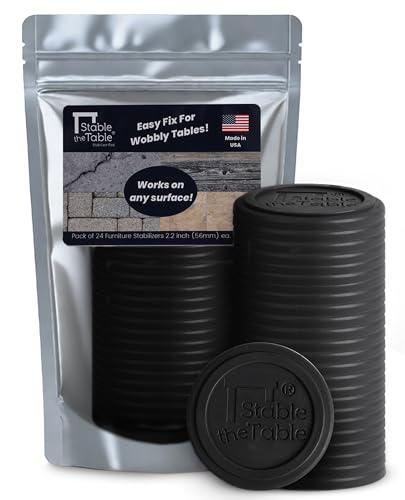
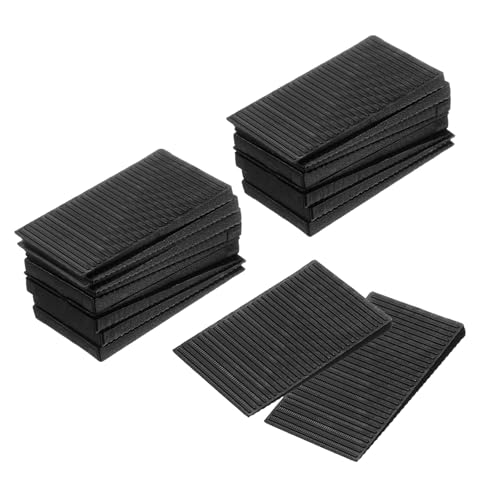
- Shims: Slide thin wooden or plastic wedges under the short leg until level.
- Felt pads: Add layers of felt pads to the short leg to match the height of the others.
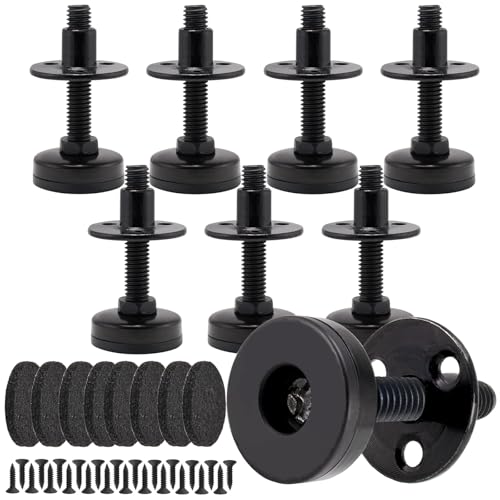
- Leveling feet: Replace the existing foot with an adjustable leveling foot (screw-in type) for precision.
✅ Best for: Tables that wobble only on certain flooring or have one leg that's slightly shorter due to wear.
Prevention: Keep Your Table Steady for Years
Check Tightness Regularly
Every 3–6 months, give each leg a gentle wiggle. Tighten any screws that feel loose before they become a problem.
Use Furniture Glides
Protect your floors and reduce leg stress with felt or rubber glides. They also help distribute weight evenly.
Avoid Overloading
Know your table's weight limit. Heavier items like large book stacks or stone decor can stress joints over time.
Protect from Moisture
Wood expands and contracts with humidity. Use coasters and wipe up spills immediately to prevent joint weakening.
🛠️ Still wobbling? If none of these methods work, your table may have a structural issue — cracked wood, broken joints, or warped frame. In that case, consider consulting a professional furniture repair specialist or exploring coffee tables with storage or lift-top designs that offer modern stability features.
📌 Related reading: Fix scratches on your coffee table · Remove water rings · Best surface protectors · How long should a coffee table last?
CoffeeTableSelection Philosophy: A well-maintained coffee table is the heart of your living space. With these DIY repairs, you can extend its life, save money, and keep your room looking its best.