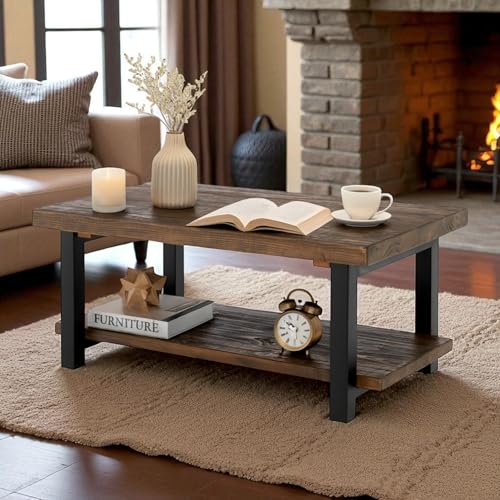
Rustic Wood & Wrought Iron Coffee Table
Discover the perfect blend of rugged durability and timeless charm. Explore the enduring appeal of wood and wrought iron coffee tables, from style and material choices to placement and care.
Few furniture combinations capture the spirit of authentic craftsmanship quite like a rustic wood and wrought iron coffee table. This pairing brings together the warmth of natural wood with the strength and elegance of forged metal, creating a piece that feels both grounded and refined. Whether your home leans toward farmhouse charm, industrial edge, or modern rustic, this table style delivers character and durability that mass-produced pieces simply cannot match.
In this comprehensive guide, we’ll walk you through everything you need to know before making your purchase. From wood species and iron finishes to sizing, styling, and maintenance, consider this your go-to resource for choosing the perfect rustic wood and wrought iron coffee table for your living space.
What Defines a Rustic Wood and Wrought Iron Coffee Table?
A true rustic coffee table is defined by its materials, construction, and the story it tells. The wood is often reclaimed, distressed, or naturally weathered, showcasing knots, grain variations, and saw marks that celebrate imperfection. Wrought iron, hand-forged or meticulously shaped, adds a contrasting texture with its dark, matte finish and subtle hammered details.
🌲 Solid Wood Tops
Reclaimed oak, pine, or fir with visible grain, knots, and natural character. Each piece tells a unique story.
🔨 Hand-Forged Iron
Wrought iron bases with hammered textures, scrollwork, or clean geometric lines. Durable and built to last generations.
🏡 Versatile Aesthetic
Seamlessly fits farmhouse, cabin, industrial, and modern interiors. A timeless centerpiece that never goes out of style.
⚡ Built to Last
Heavy-duty construction ensures stability and longevity. Iron resists warping; solid wood ages gracefully.
Many of the best examples feature a live-edge or plank-style top supported by an iron base with crossed legs, hairpin details, or industrial-inspired frames. The contrast between the organic wood surface and the rigid iron structure creates a visual balance that feels both sturdy and inviting. Explore more table styles to see how this aesthetic fits into broader design categories.
Choosing the Right Wood and Iron Finish
The beauty of a rustic wood and wrought iron coffee table lies in its material choices. The wood you select affects the table’s color, grain, and durability, while the iron finish influences its overall mood and feel. Here’s what to consider:
Popular Wood Species
- Reclaimed Oak: Known for its strength and prominent grain. Often features nail holes and patina from previous use, adding authenticity.
- Pine: A softer wood with a lighter color and pronounced knots. Ideal for a cozy, farmhouse look. More affordable and easy to work with.
- Walnut: Rich, dark chocolate tones with straight, beautiful grain. Offers a more refined rustic aesthetic.
- Barnwood: Repurposed wood from old barns, often with a gray or silvered patina. Unmatched character and history.
Iron Finish Options
- Matte Black: The most popular choice. Provides a strong contrast to wood, reads as modern and timeless.
- Bronze or Oil-Rubbed: Warmer, brown-black tones that blend seamlessly with natural wood.
- Wrought Iron (Natural): A dark, slightly textured finish with subtle hammer marks for an artisanal feel.
- Powder-Coated: A durable, scratch-resistant finish available in various colors, including charcoal and deep green for a unique twist.
When making your selection, consider your existing furniture and color palette. A matte black iron base pairs beautifully with brown leather sofas, while a bronze finish complements warmer wood tones and earthy textiles. If you’re working with a smaller space, you might want to explore small coffee tables for living rooms that offer the same rustic style in a compact footprint.
Sizing & Placement Guide
Getting the size and placement right is essential for both function and flow. A rustic wood and wrought iron coffee table should feel like it belongs, not overwhelm the room. Use these guidelines to find your perfect fit:
Dimensions to Consider
- Height: Typically 16–18 inches, matching the height of your sofa cushions or slightly lower. This ensures comfortable reach.
- Length: Should be about two-thirds the length of your sofa. For a standard 90-inch sofa, aim for a table around 48–60 inches.
- Depth: Generally 20–30 inches. Provide at least 14–18 inches of clearance between the table and the sofa for easy movement.
Spacing Rules
- Walkway Clearance: Leave at least 30 inches of walking space around the table.
- Coffee Table to Sofa: 12–18 inches is ideal for resting your feet and reaching drinks without straining.
- Rug Size: The table should sit entirely on the rug, with at least 6–12 inches of rug extending beyond all sides of the table.
If you have an open floor plan, a coffee table that expands to a dining table offers incredible versatility, while still delivering the rustic wood and iron aesthetic you love. For smaller spaces, consider a nesting tables set of 2 that combines the same materials for a flexible solution.
Styling Your Rustic Coffee Table
Once you’ve chosen your table, styling it is where you can truly bring your personality into the room. The contrast of wood and iron provides a stunning foundation for a variety of decor approaches. Here are some ideas to inspire you:
- The Nature Lover: Add a collection of small potted succulents or a trailing plant in a neutral pot. A wooden bowl filled with pinecones or dried botanicals complements the rustic theme.
- The Cozy Reader: Stack a few large-format coffee table books about nature, architecture, or art. Top with a magnifying glass and a cozy knit throw draped over one corner.
- The Entertainer: Use a large rustic tray to corral a decanter, glassware, and a set of coasters. This keeps the surface organized and party-ready.
- The Minimalist: Let the table speak for itself. A single sculptural candle or a small ceramic vase with a single stem keeps the focus on the materials and craftsmanship.
Remember, the key to great styling is balance. Mix textures, heights, and shapes to create visual interest without overcrowding the surface. For more inspiration, check out our guide on decorative trays for coffee tables, which are a versatile accessory for any rustic setting.
Caring for Wood and Wrought Iron
One of the greatest advantages of a rustic wood and wrought iron coffee table is its durability. With proper care, it can last for decades, developing a beautiful patina that enhances its character. Follow these simple tips to keep your table looking its best:
Wood Care
- Dust regularly with a soft, dry microfiber cloth.
- Clean spills immediately using a damp cloth, then dry thoroughly. Wood and moisture are not friends.
- Use a wood polish or wax designed for your wood type every few months to nourish and protect the surface.
- Always use coasters and trivets to prevent heat and moisture rings.
Iron Care
- Wipe down the iron base with a soft, damp cloth to remove dust and smudges.
- Dry immediately to prevent water spots or rust, especially on raw or uncoated iron.
- Apply a thin coat of paste wax or automotive wax to the iron every year to protect against moisture and maintain its luster.
- If rust appears, gently sand the area and apply a rust-inhibiting primer and paint.
Regular maintenance not only preserves the beauty of your table but also extends its lifespan. For more detailed advice, visit our comprehensive care & repair guide.
Where to Find Your Perfect Table
Ready to bring a rustic wood and wrought iron coffee table into your home? You have several excellent options, from artisan makers to major retailers. Here’s what to expect in terms of quality and price:
| Quality Tier | Materials & Construction | Price Range | Best For |
|---|---|---|---|
| Artisan / Custom | Reclaimed hardwood, hand-forged iron, unique designs | $1,200–$3,500 | Discerning buyers seeking one-of-a-kind pieces |
| Premium Retail | Solid hardwood, quality iron, durable finishes | $600–$1,500 | High-quality, readily available designs |
| Mid-Range | Engineered wood with veneer, powder-coated iron | $250–$600 | Style-conscious shoppers on a budget |
| Entry Level | MDF or particleboard, lightweight iron-look metal | $100–$250 | First apartments or temporary setups |
*Prices are approximate and reflect current market conditions for comparable products. Custom and artisan pieces may vary significantly.
For the best combination of quality and value, we recommend focusing on tables with solid wood tops (reclaimed oak or pine) and a sturdy wrought-iron base with a powder-coated or oil-rubbed finish. These pieces offer the durability and timeless appeal that define the rustic aesthetic. If you prefer a more versatile look, consider a coffee table that lifts up to a dining table, which can also be found in this style.
Frequently Asked Questions
Is a rustic wood and wrought iron coffee table durable?
Absolutely. Solid wood and wrought iron are among the most durable materials for furniture. When properly maintained, these tables can last for generations, often gaining character with age.
Can I use this style in a modern home?
Yes! The contrast of organic wood and sleek black iron actually complements modern and contemporary interiors beautifully. It adds warmth and texture to clean, minimalist spaces.
How do I protect the wood surface?
Use coasters, trivets, and placemats to prevent heat and moisture damage. Regular dusting and occasional polishing with a quality wood conditioner will keep the surface looking rich and healthy.
What if my wrought iron starts to rust?
Rust is rare on quality powder-coated or oil-rubbed iron, but if it occurs, gently sand the area and apply a rust-inhibiting primer and matching paint. For minor spots, a dab of car wax can provide temporary protection.
Are there eco-friendly options?
Many manufacturers use reclaimed wood and recycled iron, making this an eco-conscious choice. Look for tables that explicitly state they use sustainable or reclaimed materials.