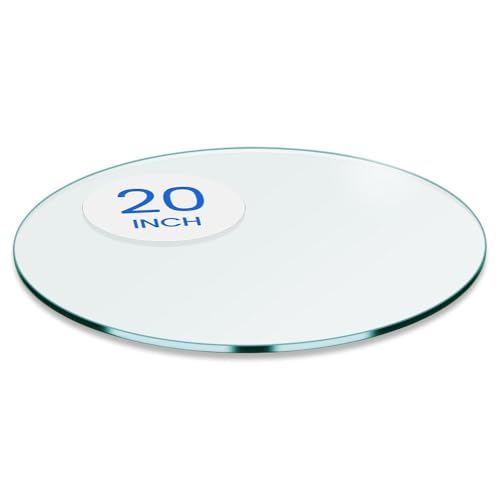
Replacement Tempered Glass for Coffee Table: The Complete Guide
Whether your glass top cracked, chipped, or you simply want a fresh look, ordering a custom replacement is easier than you think. This guide covers thickness, safety standards, edge finishes, and exact measuring — so you get the perfect fit.
Why choose tempered glass for your coffee table?
Tempered glass is safety glass that undergoes a thermal or chemical treatment to increase its strength. When it breaks, it shatters into small, granular pieces instead of sharp shards — dramatically reducing injury risk. That’s why it’s the standard for coffee tables, dining tables, and shower doors. If your current table uses standard (annealed) glass, upgrading to tempered glass is a smart safety move.
Beyond safety, tempered glass offers better heat resistance and is less prone to scratches. It’s also shatter‑resistant under normal use, making it ideal for families with kids or pets. When ordering a replacement, always specify “tempered” — it’s non‑negotiable for safety.
For a complete living room refresh, consider pairing your new glass top with a lift‑top coffee table or explore modern black square designs that perfectly complement glass surfaces.
Thickness & dimensions: what you need to know
The most common thickness for coffee table glass is ¼ inch (6 mm). For larger tables (over 48″ wide) or those that hold heavier items, ⅜ inch (10 mm) provides extra rigidity. Thicker glass also reduces the risk of bowing over time.
| Table size (width) | Recommended thickness | Best for |
|---|---|---|
| Up to 36″ | ¼″ (6 mm) | Small – medium tables, light use |
| 36″ – 54″ | ¼″ or ⅜″ (6–10 mm) | Standard coffee tables |
| Over 54″ | ⅜″ (10 mm) | Large rectangular or oval tables |
Measuring your table: If you have the old glass, measure its length, width, and thickness precisely. If the glass is missing, measure the frame’s inside lip (where the glass rests) and subtract ⅛″ – ¼″ on each side for a slight expansion gap. Always measure in multiple spots — frames are rarely perfectly square.
For inspiration, browse our guides on oval tables with storage, white cocktail tables, or outdoor black metal tables that often feature tempered glass tops.
Edge types: polished, beveled, or flat
The edge finish impacts both safety and aesthetics. The three most common options:
- Polished (flat polish): Smooth, rounded edges — the most common and safest for coffee tables.
- Beveled: Angled edges that catch light, adding a decorative touch. Often used in contemporary settings.
- Flat (seamed): A basic grind that removes sharpness, but less refined than polished.
For a coffee table, polished or beveled edges are recommended. They look premium and reduce the risk of chipping. If you’re matching an existing table, try to replicate the original edge style.
How to order your replacement glass (step‑by‑step)
- Measure accurately: Use a steel tape measure. Note length, width, thickness, and any corner radius (if round or oval).
- Decide on edge type: Choose polished (flat), beveled, or flat seamed based on your style and safety needs.
- Choose thickness: ¼″ for most tables, ⅜″ for larger spans. When in doubt, go thicker.
- Specify tempered glass: Always state “tempered” — it’s a safety requirement for tabletops.
- Order from a reputable glass shop: Local glaziers or online custom glass suppliers can cut to your specs.
- Request edge polishing: Smooth edges prevent injury and look professional.
Most custom glass shops deliver within 5–10 business days. Always ask about shipping insurance — tempered glass is durable, but heavy handling can cause damage.
How much does replacement tempered glass cost?
Prices vary based on size, thickness, and edge finish. For a standard 42″ × 22″ table with ¼″ tempered glass and polished edges, expect to pay around $120 – $220 including delivery. Larger tables (54″ × 30″) with ⅜″ thickness may range from $200 – $350+. Beveled edges add 10‑20% to the cost.
Tip: Always get at least two quotes. Some online retailers offer competitive pricing, but local glass shops can sometimes match or beat online prices (and you avoid shipping fees).
Compare these costs with the price of a new table — sometimes it’s more economical to replace the glass than to buy a whole new piece. For affordable options, see our affordable coffee tables collection.
Installing your new glass top
Once your glass arrives, inspect it for any damage before signing for delivery. Installation is straightforward:
- Place rubber or felt bumpers on the frame to prevent glass‑to‑metal contact.
- Carefully lower the glass onto the frame — use suction cups or have a second person help for larger pieces.
- Ensure the glass is centered and sits flat. Adjust bumpers if needed.
Maintenance: Clean with a mild glass cleaner and a soft microfiber cloth. Avoid abrasive pads or ammonia‑based products that can damage the surface or edge seals.
Safety first: tempered glass facts
Tempered glass is not unbreakable — it can still shatter from a severe impact, but it breaks into small, harmless pieces. Never use annealed (non‑tempered) glass on a coffee table — it’s a serious safety hazard. Also, be mindful of thermal shock; avoid placing very hot items directly onto the glass.
Can I drill holes in tempered glass? No — holes must be cut before the tempering process. If your table requires holes for hardware, order the glass with pre‑drilled holes (specify the diameter and placement).
Ready to order your replacement glass?
Use our recommended products below — each one is vetted for quality and safety.
Browse tempered glass options that fit your style and budget.
Explore more coffee table ideas: black tables with storage, round tables for small spaces, sectional‑friendly designs, and unique cool designs to complete your living room.