
Organic Coffee Table Guide
Bring the beauty of nature indoors with sculptural, sustainable coffee tables that celebrate organic forms, natural materials, and biophilic design.
What is an organic coffee table? It's a piece of furniture that embraces natural, flowing shapes, raw materials, and a connection to the outdoors. Unlike rigid, geometric designs, organic coffee tables often feature live-edge wood, curved silhouettes, or earthy textures that create a calming, grounded focal point for your living room.
Why Choose an Organic Coffee Table?
An organic coffee table is more than just a surface for your drinks and books—it's a statement piece that brings warmth, texture, and a sense of tranquility to your space. Whether you're drawn to the raw beauty of a live-edge slab, the sculptural elegance of a hand-carved form, or the sustainable ethos of reclaimed wood, these tables offer a unique blend of artistry and functionality. They pair beautifully with modern, minimalist, or bohemian interiors and can even become the conversation starter of your home.
🌿 Natural Materials
From sustainable hardwoods like oak and walnut to stone, bamboo, and rattan, organic coffee tables prioritize materials that are both beautiful and environmentally conscious.
🌀 Sculptural Forms
Flowing, asymmetrical, and often handcrafted, these tables break away from traditional rectangular or square designs. They add visual interest and a sense of movement to any room.
🍃 Biophilic Design
By bringing natural elements into your home, organic tables support well-being, reduce stress, and create a deeper connection with nature—a core principle of biophilic design.
♻️ Sustainable & Unique
Many are crafted from reclaimed or responsibly sourced wood, making each piece one-of-a-kind. You're not just buying furniture; you're investing in a piece of art with a story.
How to Choose the Perfect Organic Coffee Table
Selecting the right organic coffee table for your home involves considering several key factors. Start by assessing the scale of your living room and sofa. A good rule of thumb is that your coffee table should be about two-thirds the length of your sofa. For organic shapes, which are often more fluid, it's crucial to visualize how the piece will interact with the flow of the room. Think about the material—a warm, live-edge wood table can soften a modern space, while a sleek, curved stone table can add a touch of refined elegance.
Pay attention to the finish and the table's overall silhouette. If you have a busy space, a table with a smooth, organic shape can provide a visual break. Conversely, if your room is very minimalist, a highly textured or sculptural piece can become a stunning focal point. For those with smaller spaces, consider a table with a lighter visual weight, such as a glass top with a natural wood base, or a piece with open legs to maintain a sense of airiness.
If you're exploring other design directions, you might also be interested in our guides on modern coffee tables for the living room or the timeless appeal of solid wood coffee tables. For those who love the interplay of materials, our articles on large wood coffee tables and wood and black metal combinations provide additional inspiration. And if you're looking for a truly one-of-a-kind piece, consider the possibilities of a custom coffee table.
Styling Your Organic Coffee Table
Once you've chosen your perfect organic centerpiece, styling it effectively can elevate the entire room. The key is to complement, not compete with, the table's natural beauty. Start with a large, sculptural object like a ceramic vase or a piece of driftwood. Then, layer with a few carefully selected books, a textured tray, and perhaps a small plant to reinforce the natural theme. The organic nature of the table allows for a more curated, less rigid approach to decoration—embrace imperfection and asymmetry.
Consider the surrounding elements. A natural fiber rug, linen or cotton throws, and other wooden accents will create a cohesive and inviting atmosphere. The organic coffee table often works best as the anchor of a room that prioritizes comfort and natural textures, making it a perfect choice for those seeking a relaxing and rejuvenating living space.
Organic Coffee Table Price Range
The cost of an organic coffee table varies widely based on materials, craftsmanship, and size. You can find entry-level pieces made from sustainable woods like bamboo or mango wood starting around $300. Mid-range tables, often featuring solid hardwoods like walnut or oak with more intricate designs, typically fall between $600–$1,200. For high-end, artisan-crafted pieces, such as those with live-edge slabs, hand-carved details, or premium materials like marble, prices can range from $1,500 and up. For the most exclusive, large-scale or designer pieces, you might see prices exceeding $3,000. We recommend considering the piece as a long-term investment in your home's style and comfort.
Organic Coffee Tables We Recommend
⚠️ AFFILIATE DISCLOSURE: This website contains affiliate links. As an Amazon Associate, we earn from qualifying purchases. If you make a purchase through these links, we may receive a small commission at no additional cost to you. Read our full affiliate policy.

Honyee Morden Coffee Table, 42.5" x 28.5" x 16.1" Triangle Tempered Glass Top for Living Room, Color: Natural Wood

Honyee Small Oval Coffee Table, Oak Veneer Top with Solid Legs, Natural | 39.3x23.6x16.5 In, Living Room Bedroom Office Use, Rounded Safety Corners, Easy Assembly, Wipe Clean
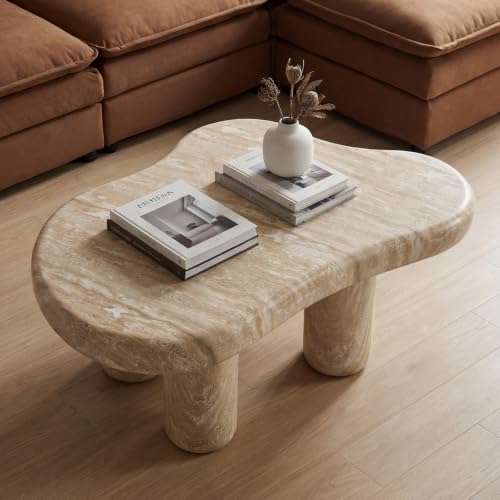
39" Modern Faux Marble Coffee Table Cloud Stone Living Room Table | Unique Shaped Center Table, Concrete Coffee Table for Apartment/Bedroom/Office, Easy Assemble, Onyx White

Honyee Oval Coffee Table 47 Inch, Travertine-Look Living Room Center Table
Final Thoughts
An organic coffee table is a beautiful way to infuse your home with character, warmth, and a deep appreciation for nature's artistry. By choosing a piece that speaks to your personal style and values, you create a living space that feels both grounded and inspiring. We hope this guide has equipped you with the knowledge to find the perfect organic centerpiece for your home.