Vintage Mid Century Coffee Tables: A Timeless Design Guide
Explore the enduring charm of mid-century modern design. This complete guide covers everything from iconic materials and shapes to expert styling tips, helping you choose the perfect vintage-inspired or original mid-century coffee table for your space.
START EXPLORINGMid-Century Modern Philosophy: More than just a style, mid-century design represents a perfect marriage of form and function. A vintage coffee table from this era isn't just furniture; it's a piece of design history, characterized by clean lines, organic shapes, and an uncluttered aesthetic that remains incredibly relevant in modern homes. This guide helps you navigate the world of vintage and retro coffee tables, so you can find a centerpiece that brings both character and practicality to your living room.
What Defines a Mid-Century Coffee Table?
Iconic Legs
Think tapered, angled, or "hairpin" legs. Often made of walnut or teak wood, these legs elevate the design, giving it a light, airy feel that defines the era.
Organic & Geometric Shapes
From kidney-shaped and sculptural forms to clean rectangles and circles, mid-century tables often feature curves inspired by nature or bold, simple geometry.
Warm Wood Tones
Teak and walnut were the materials of choice. These rich, warm woods bring a natural and inviting element to any room, a hallmark of the mid-century look.
Minimalist Aesthetic
Ornamentation is kept to a minimum. The beauty lies in the material, the form, and the craftsmanship, perfectly aligning with today's minimalist design trends.
The Enduring Appeal of Vintage Mid-Century Design
The mid-century modern movement, peaking from the 1940s to the 1960s, revolutionized interior design. Its principles of simplicity, functionality, and a connection to nature are more relevant than ever. A vintage coffee table from this era is a statement piece, instantly adding character and a sense of history to a contemporary living room. The clean lines and uncluttered forms make these tables incredibly versatile, allowing them to blend seamlessly with modern, eclectic, or even traditional decor.
When choosing a mid-century coffee table, consider the overall aesthetic you want to achieve. Do you prefer the warmth of a teak wood coffee table with a glass top that feels light and open, or the solid, functional look of a wooden piece with clean lines? The era is famous for its innovative use of materials, combining wood with metal, glass, and plastic to create designs that felt futuristic at the time and remain iconic today. For a truly authentic look, you might even explore the market for original vintage pieces, which can be found at antique stores and estate sales, though modern reproductions offer excellent quality and accessibility.
Mid-Century Materials & Shapes
The choice of material and shape is crucial in defining the mid-century style. Walnut is often the most sought-after wood due to its rich, chocolatey tones and beautiful grain, while teak is prized for its durability and warm, golden-brown color. These woods are often used in their natural state, sometimes with a simple oil finish that highlights the wood's natural beauty. For a unique twist, some mid-century designs incorporate a glass top, which can make the piece feel less bulky and more elegant, allowing the sculptural wooden base or distinctive legs to take center stage.
In terms of shape, the "kidney" or sculptural, organic shape is a classic that adds a touch of artistic flair to any room. Rectangular and square tables are more common and offer maximum surface area, making them practical for everyday use while still maintaining a sleek profile. Round and oval options are excellent for creating a more social, conversational flow in a seating area and are a great choice for smaller spaces. For those with unique spaces, a small oval coffee table can provide the perfect balance of style and functionality without overwhelming the room.
Styling Your Mid-Century Coffee Table
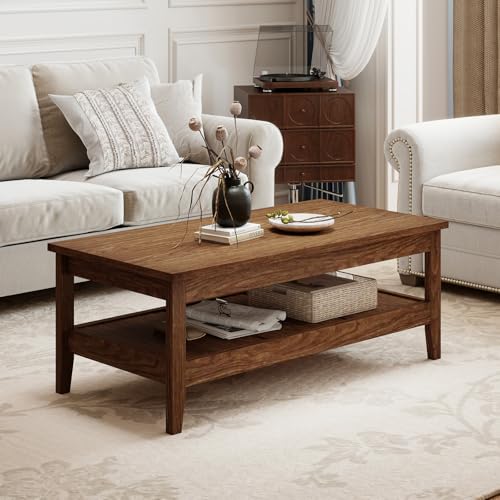
Styling a mid-century coffee table is about celebrating its design. Less is often more. A beautiful piece of pottery, a stack of art or architecture books, and a single sculptural object can create a striking and curated look. Tray decor is a great way to organize smaller items, and a simple wooden or ceramic tray can complement the mid-century aesthetic perfectly. Consider adding a touch of greenery with a small plant in a minimalist pot to bring life and a pop of color to the setting.
Don't be afraid to mix materials. Pairing a warm walnut coffee table with a soft, textured rug and a sleek, contemporary sofa creates an interesting and dynamic space. A coffee table decor strategy that incorporates both vintage and modern elements often works best, making the room feel curated and personal rather than like a showroom. For a practical and stylish solution, you could use a decorative tray for your coffee table to corral remotes, coasters, and candles.
Finding the Perfect Piece
Whether you're searching for an authentic vintage find or a high-quality reproduction, knowing what to look for is key. Authentic pieces will often have maker's marks, dovetail joints, and high-quality wood veneers or solid wood construction. Reproductions offer the same timeless style but with modern durability and often at a more accessible price point. When choosing, consider the size of your space. A large, open-plan living room can handle a large table, while an apartment or small living space might benefit from a more compact model.
Think about the functionality you need. While a simple table top is classic, some mid-century designs offer clever storage solutions. A lift top table can offer the best of both worlds: a sleek coffee table that also functions as a convenient workspace or dining surface. This is a fantastic option for those who live in smaller spaces and need furniture to serve multiple purposes.