
Japanese Coffee Table: Zen & Minimalist Design
Discover the elegance of Japanese craftsmanship – low-profile, natural materials, and timeless simplicity for your living space.
EXPLORE JAPANESE STYLEWhy choose a Japanese coffee table? Also known as chabudai, these tables bring a sense of calm and balance. They are lower than standard tables, encouraging a grounded, relaxed posture. Perfect for minimalist, zen, or modern interiors.
What Makes a Japanese Coffee Table Unique?
Low Profile
Typically 10–14 inches high, designed to be used while sitting on the floor or low seating.
Natural Materials
Solid wood (oak, walnut, cedar) with natural oil finishes that highlight the grain.
Minimalist Aesthetic
Clean lines, subtle joinery, and no unnecessary ornamentation. Form follows function.
Versatile Use
Perfect for tea ceremonies, casual dining, or as a low centerpiece in a modern living room.
The Complete Guide to Choosing a Japanese Coffee Table
Japanese coffee tables, or chabudai, are more than just furniture – they are a reflection of the Japanese philosophy of wabi-sabi, finding beauty in imperfection and simplicity. If you're looking to bring a sense of tranquility and minimalist elegance into your home, a Japanese-style coffee table is an excellent choice.
Unlike traditional Western coffee tables, Japanese tables are typically much lower. Their height is designed to complement floor seating (zabuton cushions or tatami mats) or low sofas. This low profile encourages a more grounded and intimate atmosphere, perfect for relaxing evenings or sharing tea with friends.
When selecting a Japanese coffee table, the material is paramount. Most authentic designs use solid wood, such as solid wood coffee tables, often finished with natural oils to protect the wood while allowing its grain to shine. Look for woods like oak, walnut, or Japanese cedar. Avoid high-gloss lacquers; a matte or satin finish is more in keeping with the zen aesthetic.
The shape also matters. Traditional chabudai are often rectangular or square, but you can also find round or oval versions. The size you choose should depend on your space. A large coffee table can become a central gathering point, but for smaller rooms, a compact or nesting coffee table set offers flexibility. Many Japanese tables also feature simple, clean legs – often slightly tapered or angled – which add to the airy, uncluttered look.
One of the key considerations is how the table will be used. If you plan to use it for dining while seated on the floor, ensure the height is comfortable for your seating. If you have a modern farmhouse coffee table style in mind, you can find Japanese-inspired designs that blend rustic warmth with minimalist lines. For a more contemporary feel, consider a table with a darker finish, like a black coffee table with natural wood undertones.
Maintenance is another factor. Solid wood tables require occasional oiling or waxing to keep the wood hydrated. Avoid placing hot items directly on the surface, and use coasters to prevent water rings. With proper care, a Japanese coffee table can last for decades and even improve with age, developing a rich patina that adds to its character.
In terms of styling, the Japanese aesthetic emphasizes minimalism. Keep the tabletop decor sparse – perhaps a single vase with a branch or a simple ceramic tray. This allows the beauty of the wood to take center stage. The overall effect is one of calm and harmony, making your living room a sanctuary from the busy world outside.
Key Features to Look For
- Solid Wood Construction: Oak, walnut, or hinoki (Japanese cypress) for durability and beauty.
- Low Height: Typically 10–14 inches (25–35 cm) for floor seating compatibility.
- Natural Finish: Oil or wax finish that protects while enhancing the natural grain.
- Simple Joinery: Traditional mortise-and-tenon or dovetail joints for strength without screws.
- Minimalist Design: Clean lines, no excessive ornamentation, and a timeless silhouette.
By choosing a Japanese coffee table, you're not just buying a piece of furniture – you're investing in a design philosophy that promotes mindfulness and simplicity. It's a statement piece that will anchor your living room with quiet elegance for years to come.
If you're still unsure, consider your room's overall style. A rustic coffee table might feel too heavy, while a modern glass coffee table could lack warmth. The Japanese table strikes a perfect balance, and many designs can be paired with other furniture, such as a wood top with metal legs for a more industrial contrast, or a lift-top coffee table with storage for added functionality while maintaining the low profile.
Ready to find your perfect Japanese coffee table? Browse our curated selection below. Each piece has been chosen for its quality, design, and adherence to the zen aesthetic.
Best Japanese Coffee Tables – Zen & Minimalist Picks
⚠️ AFFILIATE DISCLOSURE: This website contains affiliate links. As an Amazon Associate, we earn from qualifying purchases. If you make a purchase through these links, we may receive a small commission at no additional cost to you. Read our full affiliate policy.

FATOLRD Japanese Folding Floor Table Foldable Coffee Tables Wood
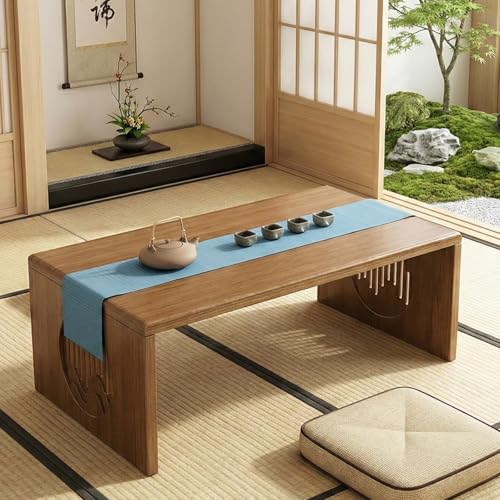
Japanese Folding Coffee Table, Low Coffee Table for Sitting on The Floor, Foldable Japanese Floor Table ,No Assembly, Small Coffee Tables for Living Room/Tatami Room/Meditation & Tea Ceremony (27.6in)

koretech Japanese Low Floor Table Folding Coffee Tables, Paulownia Wood Tables Tatami Tables Meditation Table
